

Table of Contents
Key takeaway: Barramundi are a prized fish for anglers, cooks, and coastal communities. They also support aquaculture, nutrition, and sustainable seafood choices across northern Australia.
Barramundi: The Ultimate Top End Guide
If you’re chasing barramundi in the Top End, cooking them at home, or simply wanting to understand why they matter so much, this guide gives you the full picture. It brings together fishing, food, habitat, and sustainability in one place, with practical detail for readers who want more than a surface-level overview.
Introduction
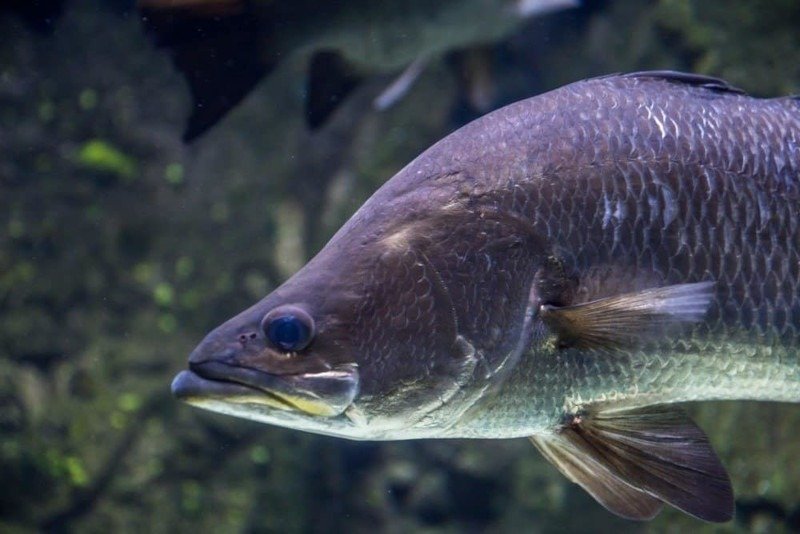
Barramundi are one of the most recognisable fish in Australia. Their name evokes tropical estuaries, mangrove creeks, wet-season floods, and hard-fought battles on light tackle. For anglers, barramundi are a favourite target because they are powerful and intelligent. Furthermore, for cooks, they offer mild flavour, firm flesh, and wide culinary appeal. For coastal communities, they are part of food culture, local knowledge, and seasonal life.
This guide explores barramundi from the water to the plate. It covers habitat, fishing methods, aquaculture, nutrition, fatty acids, health benefits, cultural value, and sustainability. By the end, you will see why barramundi matter far beyond the dinner table.
Habitat and Distribution
Barramundi thrive in warm tropical and subtropical waters. They can live in freshwater, brackish water, and salt water, moving between habitats as they grow and as conditions change. This flexibility helps them survive in rivers, floodplains, estuaries, mangrove creeks, lagoons, and coastal systems.
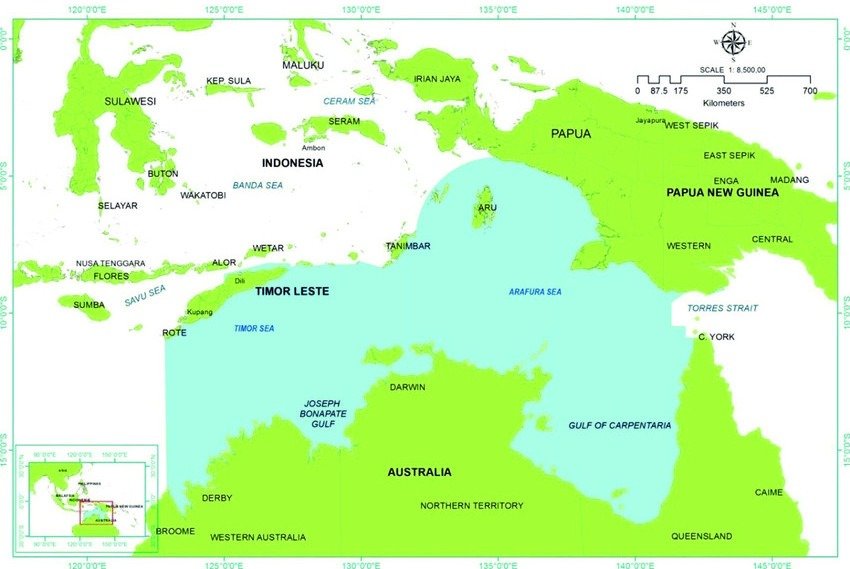
In Australia, barramundi are strongly associated with the Kimberley, the Top End, the Gulf of Carpentaria, and Cape York. They also occur across parts of Papua New Guinea and Southeast Asia. Moreover, juveniles usually shelter in shallow backwaters and mangrove-lined creeks, while adults often gather in deeper tidal rivers, drains, and river mouths where baitfish are abundant.
Seasonal rainfall plays a major role in their ecology. Wet-season floods open new feeding areas and spread nutrients across floodplains. Dry-season conditions often concentrate fish in deeper water. Because of this, local knowledge and seasonal timing are important for both anglers and managers.
Barramundi Fishing Methods
Barramundi fishing rewards patience, observation, and good presentation. Anglers look for structure, current lines, tides, bait movement, and ambush points such as snags, drop-offs, drains, and rock bars. The fish often strike from cover, so success usually comes from placing the lure or bait in the right spot rather than casting at random.
Lures and Soft Plastics
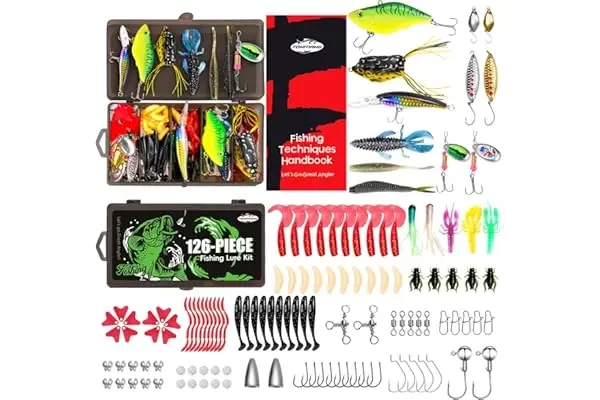
Hard-bodied lures are popular because they can cover water quickly and trigger reaction strikes. Soft plastics are also effective, especially when fish are following bait more cautiously. In clear water, natural colours often work well. In muddy water, brighter colours may improve visibility. Many anglers use a stop-start retrieve because barramundi often strike when the lure pauses or changes direction.
Live Bait and Dead Bait
Live bait remains effective in many estuaries and river mouths. Mullet, prawns, and local baitfish can tempt larger fish when presented naturally. Dead bait can also work, especially when matched to tide, depth, and current. The key is realistic presentation, because barramundi are often selective when conditions are bright or pressure is high.
Fly Fishing and Light Tackle
Fly fishing for barramundi has grown in popularity, particularly in shallow estuaries and mangrove edges. Large streamers, shrimp patterns, and baitfish flies can produce explosive takes. Consequently, light spinning gear is also common because it offers a balance of casting distance, sensitivity, and power. No matter the method, careful fish handling and local fishing rules are essential.
Limited Time Deals



Visit the Darwin Tides Shop for More Fishing, Boating and Marine Supplies!
Barramundi are best caught by anglers who read the tide, respect the structure, and stay patient.
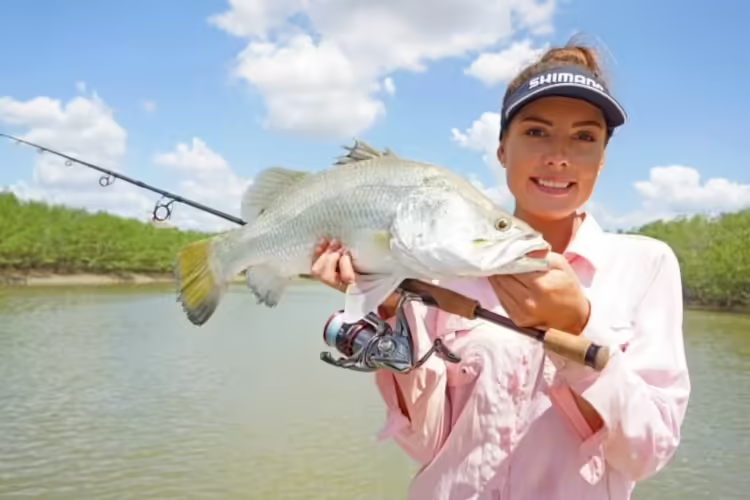
Practical Tips for Better Results
Focus on the tide first. Barramundi often feed hardest when moving water creates pressure points, pushes bait through drains, or pulls food past waiting fish. A good lure in the wrong tide window can be less effective than a simple bait at the right time.
Keep your presentation natural. Short pauses, clean hook points, and careful casting around cover often matter more than fancy gear. In northern waters, a tidy rig and accurate placement usually outperform long, random casts.
Use gear that gives you enough control to turn fish away from snags. Barramundi fight hard and head straight for structure, so a balanced setup helps you land fish more safely while keeping the fight short and efficient.
What to Watch in Local Conditions
In places like Darwin’s tidal creeks and nearby estuaries, wet-season runoff, stained water, bait movement, and fast-changing current lines can all affect where fish hold. During the dry season, deeper water, drains, and shade become more important, especially in areas with heavier boat pressure.
That is why local conditions matter so much. A small shift in water clarity, tide stage, or bait presence can change the bite completely. Reading those changes is often the difference between a quiet session and a memorable one.
Check out the Darwin Tides – Live Tidal Currents Map for the latest Conditions.
Aquaculture and Sustainability

Barramundi aquaculture has become an important part of Australia’s seafood supply. Farmed barramundi help provide consistent availability throughout the year and can reduce pressure on some wild stocks. Modern farms focus on water quality, feed efficiency, biosecurity, and animal health to produce a reliable product.
Sustainability depends on how farms manage feed ingredients, waste, energy use, and site selection. Responsible operations can produce high-quality seafood while keeping environmental impacts lower than many other protein sources. Wild fisheries also need strong management, including size limits, bag limits, seasonal closures, and habitat protection.
Healthy barramundi populations rely on intact mangroves, floodplains, estuaries, and tidal rivers. Habitat loss, pollution, and altered flows can reduce nursery areas and affect recruitment. In this way, barramundi are a reminder that fisheries management and environmental management are closely connected.
Barramundi Nutritional Profile
Barramundi are valued as a healthy source of protein. They offer a mild taste, firm texture, and a nutrition profile that suits many diets. The exact composition varies depending on whether the fish is wild or farmed, but barramundi generally provide a balanced mix of protein, useful minerals, and moderate fat.
Typical nutrition per 100g of barramundi
| Nutrient | Approximate value | Why it matters |
|---|---|---|
| Energy | Low to moderate | Supports lighter meals |
| Protein | High | Helps muscle repair and satiety |
| Fat | Moderate | Improves flavour and texture |
| Omega-3 fats | Useful amount | Supports heart and brain health |
| Selenium | Good source | Supports antioxidant defence |
| Phosphorus | Good source | Supports bones and energy metabolism |
Barramundi are easy to cook and not overly oily, which makes them popular with families, athletes, and health-conscious eaters. Grilling, baking, steaming, and pan-searing work especially well because they preserve the fish’s clean flavour. Pairing barramundi with vegetables, herbs, citrus, and whole grains creates a balanced meal.
If you’re in the Top End, be sure to visit Pee Wee’s in East Point Nature Reserve and try their delicious NT Wild Caught Saltwater Barramundi.

Fatty Acids and Health Benefits
Barramundi contain beneficial fatty acids, including omega-3 fats. These fats support heart health, brain function, and normal inflammatory responses. They also contribute to the moist texture and subtle richness that make the fish so appealing on the plate.
Regular seafood intake can help fill nutritional gaps in many diets, especially where omega-3 intake is low. Barramundi offer a practical way to include seafood more often because they taste mild and cook quickly. As part of a balanced diet, they can support general wellbeing without feeling heavy or overly rich.
The health value of barramundi depends on the full meal, not just the fish. Simple cooking methods and thoughtful sides will always produce the best results. In that sense, barramundi are both nutritious and versatile.
Barramundi Culinary Uses
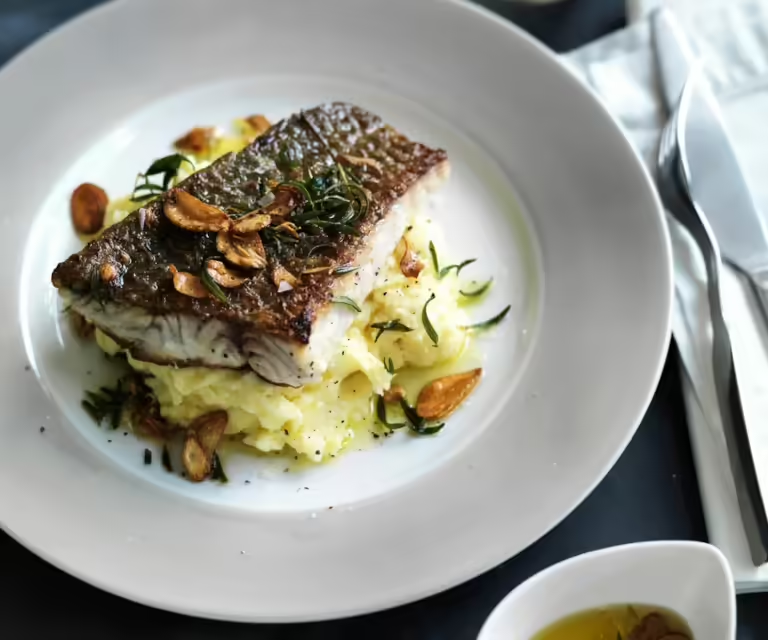
Barramundi work in many cuisines because their flavour is mild and their flesh holds together well. They can be grilled whole, pan-fried, baked with herbs, steamed with ginger, or served in tacos and curries. The fish absorbs seasoning well without losing its own character.
For home cooking, barramundi pairs well with lemon, garlic, chilli, butter, coconut, fresh herbs, and simple vegetable sides. In restaurants, chefs often use barramundi because it plates neatly and adapts to both relaxed and refined dishes. That versatility is one reason it remains so popular with chefs and diners alike.
Cultural Significance
Barramundi have long held cultural importance in northern Australia. They are part of fishing traditions, seasonal food gathering, and local storytelling. For many communities, the fish represents connection to Country, water, and the rhythms of the wet and dry seasons. That cultural value goes beyond commercial use or sport fishing.
Because barramundi are so closely tied to the health of rivers and coasts, they also serve as an indicator of broader environmental change. When fish are abundant, habitats are often healthy. When populations decline, it can signal pressure on the wider ecosystem. This makes barramundi important both symbolically and ecologically.
FAQ
- When is the best time to catch barramundi? The best bites usually come on moving tides, especially around the run-off and when bait is being pushed out of creeks and rivers.
- What lures work best? Hard-bodied lures, soft plastics, and shallow-diving presentations all work well, depending on water clarity and tide stage.
- Is barramundi healthy to eat? Yes. Barramundi are a lean, high-protein fish with useful omega-3 fats and a mild flavour that suits many diets.
- Where do barramundi live? They live in rivers, estuaries, floodplains, mangrove creeks, and coastal waters across northern Australia and nearby tropical regions.
- Is farmed barramundi a good choice? Yes. Farmed barramundi can be a sustainable option when produced with good water, feed, and biosecurity management.
Related reading
Conclusion
Barramundi are more than a prized fish. They are a species that connects fishing, food, culture, and conservation across northern Australia and the wider Indo-Pacific. Their adaptability, nutritional value, and culinary appeal make them a standout seafood choice. Their dependence on healthy rivers, estuaries, and mangroves also reminds us that sustainable fishing and habitat care must go hand in hand.
Whether you catch them, farm them, or cook them, barramundi deserve the attention they receive. They are a fish with real depth, real value, and a lasting place in Australian life. For readers who want more practical guides, this article can also lead naturally into local fishing advice, seasonal tips, and recipe-focused follow-up posts.

Travel to Darwin: 2026 Guide
So, you’re dreaming of a Darwin escape? Whether you’re flying in from overseas, road-tripping the Stuart Highway, or sailing up the coast, this is your no-worries, all-options guide.